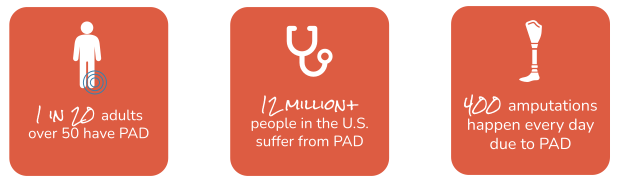
Peripheral artery disease (PAD) is caused by a buildup of fatty deposits inside the arteries. When arteries become blocked with plaque, blood flow is restricted, interfering with the delivery of oxygen and nutrients that your body needs to work properly. It’s estimated that about 6.5 million people ages 40 and older in the U.S. have PAD.
Find a DoctorAbout PADThousands of Americans are at risk of avoidable amputations each year due to peripheral artery disease. Urge your lawmakers to support legislation that saves limbs and lives.
Send a letter nowNever heard of PAD? You’re not alone, 70% of Americans aren’t aware of PAD (PAD Pulse Alliance Survey). The toolkit is a one-stop interactive resource that provides educational materials such as questions to ask your doctor and informational videos. This toolkit meets you where you are in your PAD journey, whether you're recently diagnosed, weighing your treatment options, getting back to daily life after treatment, or simply want to know more.
Diabetes—People with diabetes are 3 to 4x more likely to suffer from PAD.
High blood pressure—
35-55% of patients with PAD also have high blood pressure.
Tobacco—80% of patients with PAD use tobacco or formerly used tobacco.
Black and Hispanic Americans experience PAD and its devastating consequences more frequently.
Seeing increases in amputation rates along with the gaps in awareness, four leading heart and vascular medical societies joined together to raise awareness about PAD and empower patients to ask questions.